Healing with Horticulture: A Guide to Growth
Horticulture is more than just a hobby; it can be a powerful tool for healing and personal growth. Whether you are dealing with stress, anxiety, or simply looking for a way to connect with nature, engaging in gardening and plant care can provide significant benefits. This guide will explore how horticulture can aid in healing, the science behind it, and practical tips to get started on your own journey of growth.
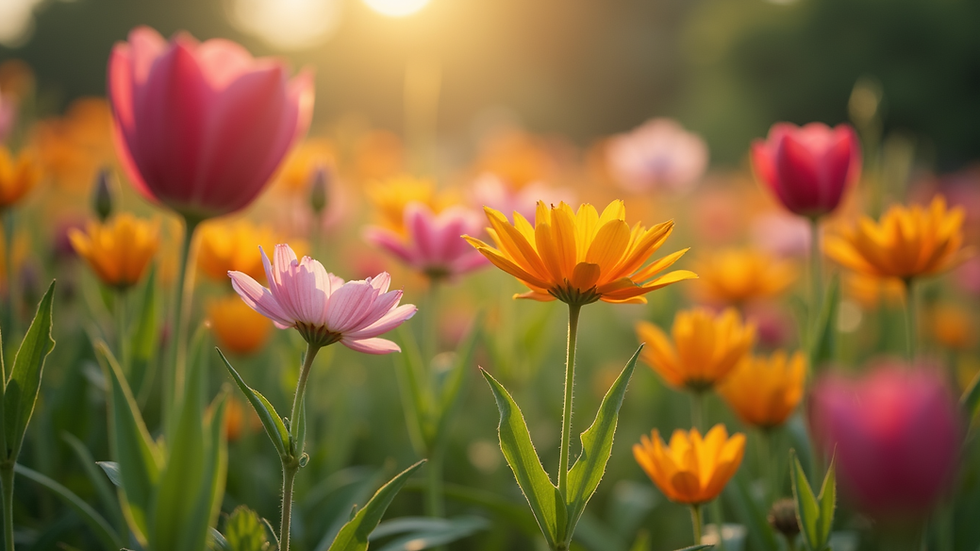
The Healing Power of Nature
Understanding Horticultural Therapy
Horticultural therapy is a practice that uses gardening and plant care to improve physical, mental, and emotional well-being. It is based on the idea that interacting with plants can promote healing and enhance quality of life. This therapy can be particularly beneficial for individuals dealing with:
Stress and Anxiety: Spending time in nature has been shown to reduce stress levels and promote relaxation.
Depression: Engaging with plants can provide a sense of purpose and accomplishment, which can help alleviate feelings of sadness.
Physical Rehabilitation: Gardening can improve physical health by promoting movement and coordination.
The Science Behind It
Research has shown that spending time in green spaces can have a positive impact on mental health. A study published in the journal Environmental Science & Technology found that individuals who spent time in nature reported lower levels of stress and improved mood. The act of gardening itself can also release endorphins, the body's natural feel-good hormones.
Getting Started with Horticulture
Choosing the Right Plants
When starting your horticultural journey, it's essential to choose plants that resonate with you. Consider the following factors:
Light Requirements: Some plants thrive in direct sunlight, while others prefer shade. Assess the light conditions in your space before selecting plants.
Maintenance Level: If you're new to gardening, opt for low-maintenance plants such as succulents or pothos.
Personal Preference: Choose plants that you find visually appealing or that have a special meaning to you.
Creating Your Garden Space
Your garden can be as simple or elaborate as you like. Here are some ideas to get started:
Container Gardening: If space is limited, consider using pots or containers. This allows you to create a garden on a balcony, patio, or even indoors.
Raised Beds: For those with more space, raised garden beds can provide a structured way to grow a variety of plants.
Community Gardens: Joining a community garden can provide social interaction and support while allowing you to learn from others.
The Benefits of Gardening
Physical Benefits
Gardening is a physical activity that can improve strength, flexibility, and endurance. Here are some specific benefits:
Exercise: Digging, planting, and weeding can provide a full-body workout.
Vitamin D: Spending time outdoors helps your body produce vitamin D, which is essential for bone health and immune function.
Healthy Eating: Growing your own fruits and vegetables encourages healthier eating habits.
Mental and Emotional Benefits
The mental health benefits of gardening are profound. Engaging with plants can lead to:
Mindfulness: Gardening encourages you to be present in the moment, which can reduce anxiety and promote relaxation.
Creativity: Designing your garden allows for creative expression, which can be therapeutic.
Connection: Caring for plants fosters a sense of connection to nature and can improve overall well-being.
Practical Tips for Successful Gardening
Start Small
If you're new to gardening, begin with a small project. This could be a few potted plants or a small patch in your yard. As you gain confidence and experience, you can expand your garden.
Keep a Gardening Journal
Documenting your gardening journey can be beneficial. Note what plants thrive, what challenges you face, and how gardening makes you feel. This reflection can enhance your experience and provide insights into your growth.
Join a Gardening Community
Connecting with others who share your interest in gardening can provide support and motivation. Look for local gardening clubs, online forums, or social media groups where you can share tips and experiences.
Overcoming Challenges in Gardening
Dealing with Setbacks
Every gardener faces challenges, whether it's pests, diseases, or unfavorable weather. Here are some strategies to overcome these obstacles:
Research: Learn about common issues in your area and how to address them.
Patience: Gardening is a process that requires time and patience. Embrace the journey and learn from setbacks.
Seek Help: Don’t hesitate to ask for advice from experienced gardeners or local gardening centers.
Managing Expectations
It's essential to have realistic expectations when starting your gardening journey. Not every plant will thrive, and that's okay. Focus on the joy of the process rather than the end result.
The Role of Community in Horticulture
Building Connections
Gardening can be a solitary activity, but it doesn't have to be. Engaging with a community can enhance your experience. Here are some ways to connect:
Volunteer: Many community gardens welcome volunteers. This is a great way to meet others and learn new skills.
Workshops: Attend gardening workshops or classes to expand your knowledge and meet fellow enthusiasts.
Social Media: Join online gardening groups to share your progress and learn from others.
Sharing Your Knowledge
As you gain experience, consider sharing your knowledge with others. This could be through teaching a class, writing a blog, or simply helping a friend start their own garden. Sharing your passion can be incredibly rewarding.
Conclusion
Horticulture offers a unique path to healing and personal growth. By engaging with plants, you can improve your physical health, enhance your mental well-being, and foster connections with others. Whether you are a seasoned gardener or just starting, the journey of growth through horticulture is one worth taking. Embrace the process, learn from your experiences, and enjoy the healing power of nature.
Take the first step today by planting a seed, nurturing a plant, or simply spending time in your garden. Your journey to healing and growth awaits.


Comments